Our Blog

Stories, Insights & Updates from Sapana Elephant Sanctuary

Elephants walking freely Featured

No Riding. No Chains. No Harm.

We believe elephants deserve freedom, dignity, and natural living. Sapana Elephant Care is committed to ethical, cruelty-free tourism. Visitors observe respectfully — never riding or forcing interaction.

At Sapana Village Lodge, our philosophy is simple yet powerful: No Riding. No Chains. No Harm. This isn't just a slogan — it's the foundation of everything we do.

What This Means for Our Elephants

Our five rescued elephants once bore the weight of endless tourist rides, their bodies strained and their spirits broken by harsh treatment. Today, they live in complete dignity. They roam vast grasslands, bathe freely in rivers, and sleep chain-free under the stars in spacious corrals.

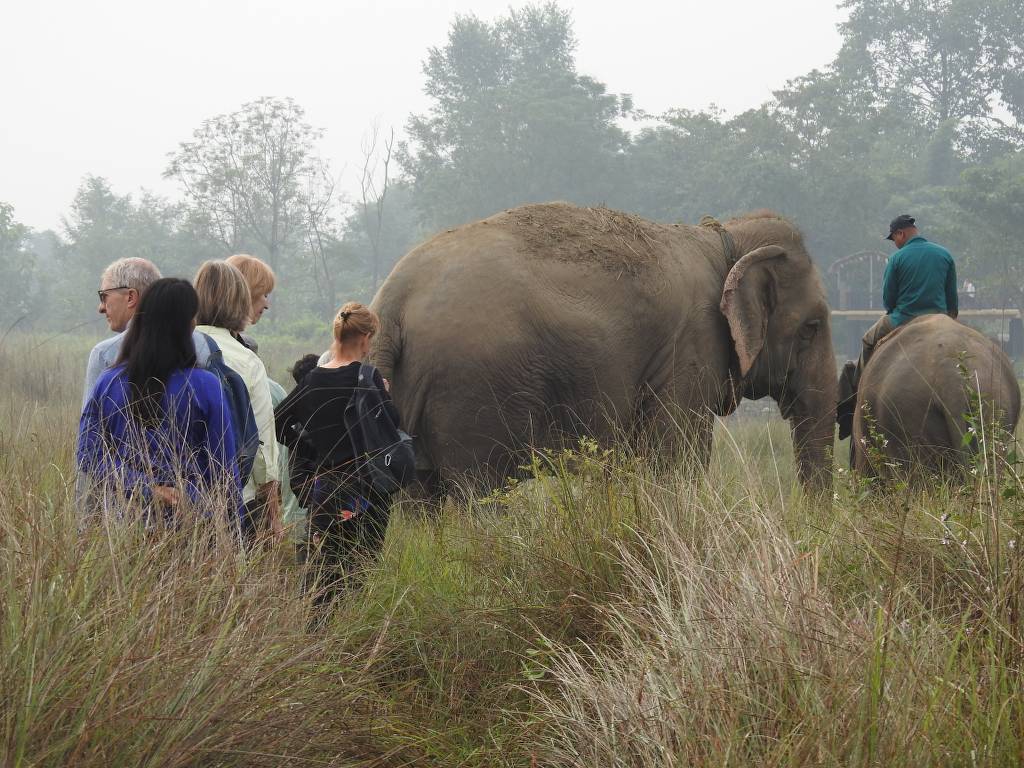
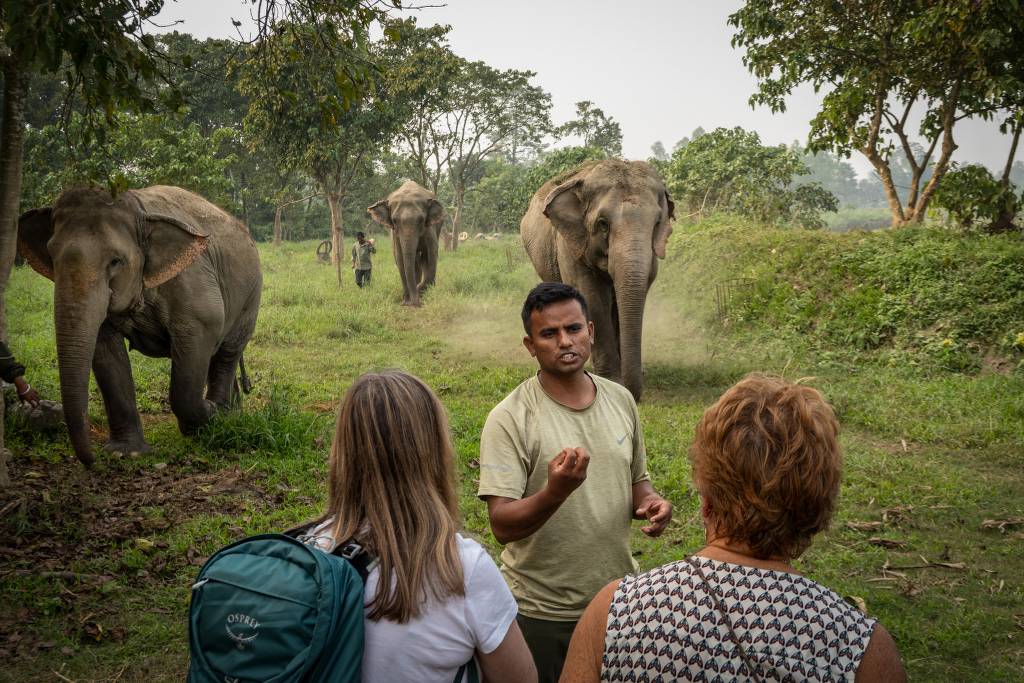
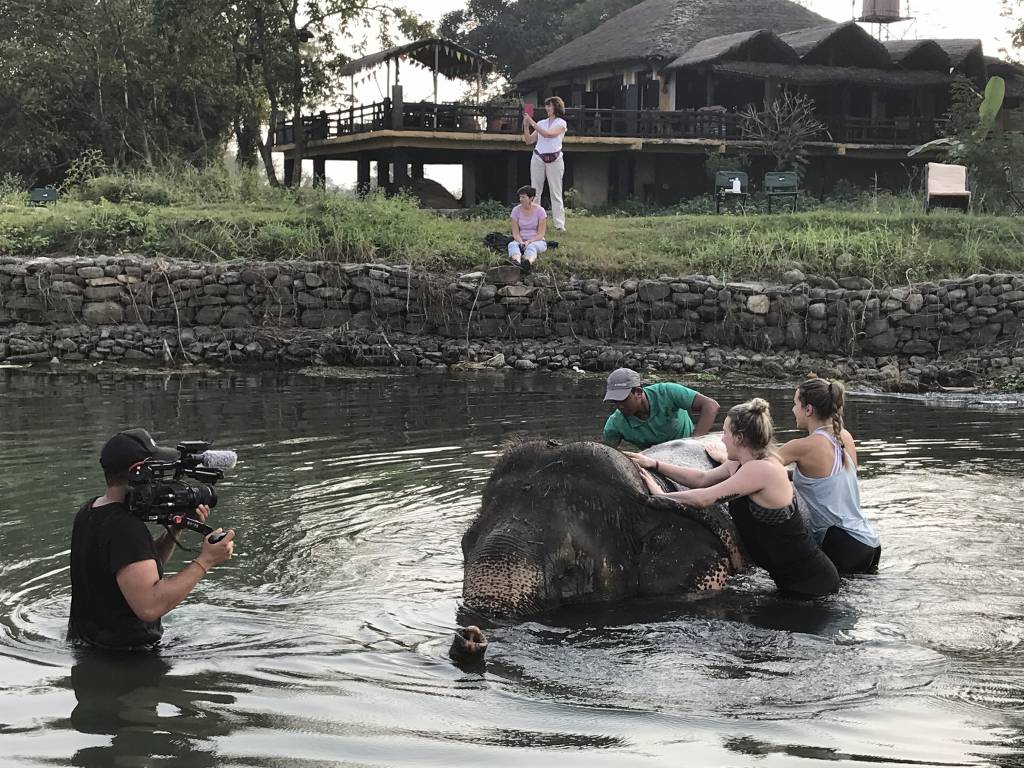
Visitors to our sanctuary experience these magnificent creatures in their natural behaviors — grazing, playing, socializing — without any forced interaction. We offer jungle walks where you observe from a respectful distance, guided feeding sessions with fruits and vegetables, and opportunities to watch bath time as they splash joyfully in the Rapti River.

The Difference Between Ethical and Exploitative Tourism

Traditional elephant tourism often involves:

  • Riding on elephants' spines, causing permanent physical damage
  • Keeping elephants chained for extended periods
  • Using bull hooks and other painful training methods
  • Separating calves from mothers for domestication
  • Providing inadequate food, shelter, and medical care

In contrast, ethical elephant sanctuaries like Sapana provide:

  • Chain-free living spaces with room to roam
  • 200-300kg of varied vegetation daily per elephant
  • Regular veterinary care and health monitoring
  • Experienced mahouts who build trust, not fear
  • Natural habitat access including forests and rivers
  • Observation-only tourism that doesn't stress the animals

Why We Can't Just "Set Them Free"

Many ask why we don't release our elephants into the wild. The reality is complex: these elephants have been dependent on humans their entire lives. They lack survival skills, would face rejection from wild herds, and Nepal's limited protected habitat cannot support them. Our sanctuary offers the best alternative — a semi-natural environment where they live peacefully under expert care.

How You Can Experience Ethical Elephant Tourism

When you visit Sapana, you can participate in our carefully designed programs that prioritize elephant wellbeing:

  • Sunrise Elephant Bush Walk: Watch elephants in their natural morning routine
  • Elephant Bath Time: Observe as they splash and play in the river
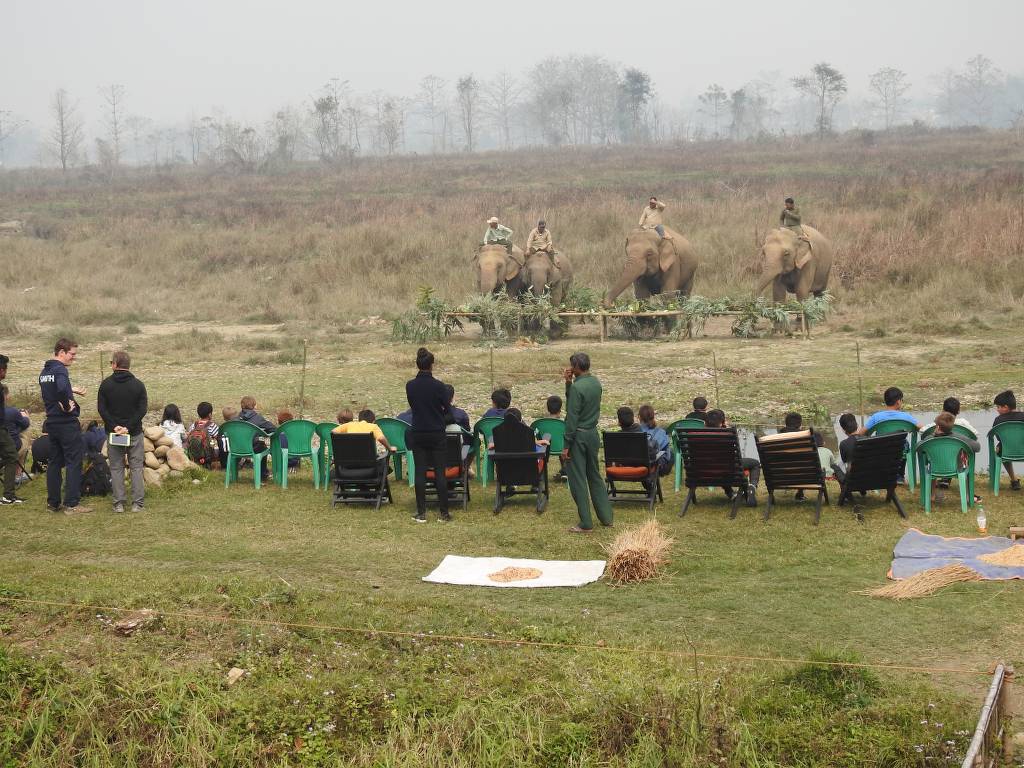
  • Feeding Sessions: Offer fruits and vegetables from a safe, respectful distance
  • Elephant Care Program: Spend a full day learning about their daily care
  • Night Sanctuary Visits: See how they settle into their chain-free corrals

Every visit directly supports their care, proving that tourism can be both meaningful and ethical.
Explore Our Programs
Ethical elephant care

Why Ethical Elephant Tourism Matters

Ethical tourism funds rescue, food, medical care, and protection. It stops abuse, exploitation, and harmful elephant practices. Your choice helps secure a future for Nepal's elephants.

Every decision you make as a traveler has power. When you choose ethical elephant tourism, you're not just having a meaningful experience — you're actively contributing to the rescue and protection of elephants across Nepal.

The Real Impact of Your Visit

When you participate in our programs at Sapana, 100% of your fees go directly toward:

Daily Food Requirements: Each elephant consumes 200-300kg of food every day. This includes fresh grasses, tree branches, leaves, fruits, and special nutrient supplements. Your visit helps us provide this massive amount of vegetation daily.

Veterinary Care: Our elephants receive regular health checkups, treatments for any ailments, dental care, and emergency medical attention when needed. Maintaining a relationship with experienced vets isn't cheap, but it's essential for their wellbeing.

Shelter & Habitat Maintenance: We maintain chain-free corrals, repair fencing, ensure clean water access, and preserve the natural grasslands and forest areas where our elephants roam. This ongoing maintenance requires constant resources.

Expert Caretakers: Each elephant has dedicated mahouts who work around the clock. These experienced caregivers have built deep bonds of trust with our elephants over years. Fair compensation for their expertise is crucial.

Breaking the Cycle of Exploitation

Traditional elephant tourism creates a harmful cycle: tourists unknowingly support abuse by riding elephants, which signals demand, which encourages more elephants to be captured and trained using cruel methods. By choosing sanctuaries that prohibit riding, you break this cycle.

When demand shifts toward ethical experiences, more lodges and facilities must adapt or lose business. Your choice sends a clear message: tourists want to see elephants treated with dignity and respect.

The Ripple Effect Across Nepal

Sapana Elephant Care serves as a model for other facilities across Nepal. When we prove that ethical tourism is both viable and profitable, we inspire others to adopt similar standards. This creates a ripple effect that benefits elephants throughout the region.

We share our practices with other organizations, welcome visitors from competing lodges to learn our methods, and advocate publicly for stronger animal welfare regulations. Your support enables this broader advocacy work.

Securing Their Future

Our five elephants are safe now, but what about the next generation? What about elephants still suffering in exploitative situations? Ethical tourism funds not just current care, but future rescues.

Every successful year at Sapana proves that sanctuaries can thrive financially while treating elephants humanely. This evidence is powerful when negotiating with owners of mistreated elephants or lobbying for policy changes.

What You Can Do

  • Visit Sapana: Experience ethical tourism firsthand and support our mission directly
  • Spread Awareness: Share our story and educate others about ethical elephant tourism
  • Choose Wisely: When traveling elsewhere, research facilities thoroughly and avoid any that offer riding
  • Advocate: Support organizations and policies that protect elephants from exploitation
  • Donate: Even if you can't visit, financial contributions help us continue this vital work

Together, we can create a future where every elephant in Nepal lives with the dignity and freedom they deserve. Your choice matters more than you know.

Support Our Mission
Elephant bathing in river

A Day in the Life at Sapana Sanctuary

Ever wondered what a typical day looks like for our rescued elephants? Join us for a behind-the-scenes look at their daily routine, from sunrise walks to evening relaxation.

The sun rises over Chitwan, casting golden light across the grasslands. In their spacious, chain-free corrals, our five elephants are already stirring, greeting the new day with gentle rumbles and trunk waves to each other.

6:00 AM - Morning Freedom

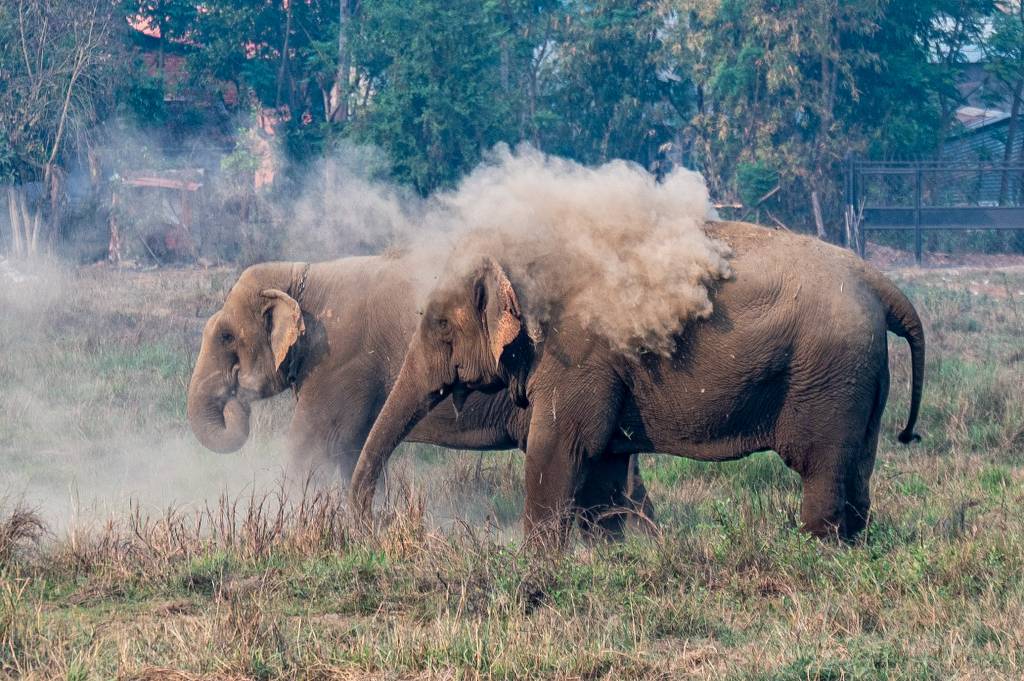
Our mahouts arrive to open the corral gates. The elephants amble out at their own pace — no rushing, no commands, just gentle guidance. Some head straight for the grasslands to begin grazing, while others take a more leisurely approach, stopping to dust themselves with dirt for natural sun protection.

This is when our Sunrise Elephant Bush Walk program happens. Guests observe from a respectful distance as these magnificent creatures engage in their natural morning behaviors: selecting the tastiest grasses, breaking small branches for fiber, and socializing with their herd mates.

8:00 AM - Breakfast Time

While elephants graze continuously, our mahouts supplement their diet with prepared food. This includes fresh fruits, vegetables, and special nutrient candies called "Kuchi" — balls of rice, molasses, salt, and minerals wrapped in elephant grass.

Each elephant has individual preferences. Some devour bananas eagerly, while others prefer watermelon or sugarcane. Our mahouts know these preferences intimately after years of building trust and relationships.

11:30 AM - Bath Time!

The midday heat makes the Rapti River irresistible. Our elephants wade in with obvious joy, submerging completely, spraying water with their trunks, and rolling in the sand. This isn't just play — bathing is essential for their sensitive skin, preventing parasites and keeping them cool.

Guests often join our Elephant Bath program during this time, watching from the riverbank as these gentle giants splash and play. The happiness is contagious — you can't help but smile watching a three-ton elephant acting like a playful child.

1:00 PM - Afternoon Grazing & Rest

After bathing, the elephants return to the grasslands. Some continue grazing, while others find shady spots under large trees for afternoon rest. Elephants sleep very little — about 3-4 hours per day in short naps — so these rest periods are precious.

Our veterinary team uses this quieter time for health checks when needed. We monitor their skin condition, check their feet for any issues, and observe their eating and social behaviors for any signs of concern.

3:00 PM - Jungle Walk

Accompanied by mahouts and local guides, our elephants venture into the nearby jungle areas. This is crucial for their mental stimulation and physical exercise. They browse on a variety of vegetation, investigate interesting scents, and sometimes encounter other wildlife like deer or wild boar.

Our Jungle Walk program allows guests to accompany this journey, experiencing the thrill of being in elephant company in their natural habitat — though always maintaining safe, respectful distances.

6:00 PM - Evening Meal

As the sun begins to set, elephants receive another round of supplemental feeding. This is also when we might prepare special treats if any elephants need medication (hidden in sweet fruits) or extra calories.

The atmosphere is peaceful. Elephants eat slowly, savoring their food, while the jungle around us fills with evening bird calls and the rustling of other wildlife emerging for the night.

7:30 PM - Corral Time

Our elephants voluntarily return to their corrals for the night. These aren't small, restrictive spaces — they're large areas where elephants can move freely, lie down comfortably, and interact with each other.

No chains. No restrictions. Just safe, comfortable shelter with soft bedding, fresh water, and the companionship of their herd. Our Night Sanctuary Visit program lets guests observe this peaceful evening routine.

Throughout the Night

Mahouts stay nearby, checking on the elephants periodically. Elephants are most active at dawn and dusk, so nighttime brings gentle movement, soft vocalizations, and occasional snacks from the vegetation stored in their corrals.

This is their time — free from human demands, free to simply be elephants.

The Difference Care Makes

When our elephants first arrived from their previous situation, they were anxious, withdrawn, and showed signs of physical strain. Watch them now — they're playful, social, healthy, and content.

This transformation doesn't happen overnight. It's the result of consistent, ethical care: proper nutrition, medical attention, mental stimulation, social bonding, and above all, respect for their autonomy and dignity.

Every day at Sapana proves that elephants don't need to suffer for tourism to thrive. Come witness it yourself.

Book Your Visit
Elephant walking in nature

5 Things You Didn't Know About Elephants

Elephants are fascinating, complex, and deeply emotional creatures. Here are five surprising facts that reveal just how remarkable these gentle giants truly are.

1. Elephants Have Incredible Memories

The saying "an elephant never forgets" is actually based in truth. Elephants can remember other elephants and humans they've met decades ago. They remember migration routes passed down through generations, water sources during droughts, and even the locations of family members' bones.

At Sapana, we've witnessed this firsthand. Our elephants clearly remember their previous treatment, showing initial wariness around certain situations that once caused them stress. But they also remember kindness — forming deep bonds with their mahouts who treat them with gentleness and respect.

2. Their Skin Is Surprisingly Sensitive

Despite being called "pachyderms" (meaning thick-skinned), elephant skin is actually incredibly sensitive. They can feel a fly landing on their back. Their skin is about 2.5 cm thick but is wrinkled and loose-fitting, creating grooves that trap moisture and are susceptible to parasites.

This is why daily bathing is so crucial. Mud and water protect their skin from the sun and insects. Watch our elephants during bath time — they clearly relish the sensation, using their trunks to spray hard-to-reach spots and rolling in the sand for exfoliation.

3. Elephants Communicate in Ways We Can't Hear

Elephants produce infrasonic calls — sounds below the range of human hearing — that can travel several kilometers. These low-frequency rumbles allow elephant herds to communicate across vast distances, coordinating movements and warning of danger.

Our mahouts have learned to recognize the various vocalizations our elephants make: friendly greetings, warnings, excitement, contentment. It's a rich language that reveals their complex social lives.

4. They're Left or Right Tusked

Just like humans are left or right-handed, elephants favor one tusk over the other. The dominant tusk becomes more worn down from regular use in digging, stripping bark, and moving objects.

You can observe this at Sapana — watch which tusk each elephant uses more frequently when breaking branches or moving items. It's one of many small details that reveals their individual personalities.

5. Elephants Mourn Their Dead

Elephants display behaviors that suggest deep emotional capacity, particularly around death. They've been observed touching the bones of deceased elephants with their trunks, standing vigil over bodies, and even appearing to "bury" them with leaves and branches.

This emotional depth is one reason ethical treatment matters so much. These aren't simple beasts of burden — they're sentient beings capable of joy, grief, fear, and affection. They deserve our respect and compassion.

Learn More at Sapana

These facts only scratch the surface of elephant intelligence and behavior. When you visit our sanctuary, our guides share even more fascinating insights based on years of close observation and care.

Understanding elephants better helps us appreciate why riding them, chaining them, or forcing them into unnatural behaviors is so harmful. Come see them as they truly are — remarkable, complex, deserving of freedom.

Learn About Our Sanctuary
Sapana Village Lodge

How to Choose an Ethical Elephant Sanctuary

Planning to visit elephants in Nepal or elsewhere? Here's your guide to identifying truly ethical sanctuaries and avoiding exploitative tourist traps.

Not all elephant sanctuaries are created equal. Some facilities use the word "sanctuary" while still engaging in harmful practices. Here's how to tell the difference and ensure your tourism supports genuine elephant welfare.

Red Flags to Avoid

Elephant Riding: This is the biggest red flag. There is no humane way to ride an elephant. It causes spinal damage, joint problems, and psychological stress. Any facility offering rides is prioritizing profit over welfare.

Chains and Restraints: While some temporary restraint may be necessary for medical care, elephants should never be chained for extended periods. Look for sanctuaries advertising "chain-free" living spaces.

Forced Performances: Tricks, painting, playing instruments — these aren't natural behaviors. Teaching them requires stressful training methods. Ethical sanctuaries let elephants simply be elephants.

Breeding Programs: True sanctuaries don't breed elephants. Breeding creates more elephants dependent on human care and potentially destined for exploitation.

Inappropriate Interaction: Be wary of facilities encouraging touching, hugging, or close physical contact. These can stress elephants and are potentially dangerous.

Green Flags to Look For

Observation-Based Tourism: The best sanctuaries offer programs where you observe elephants from respectful distances. You might walk alongside them in the jungle or watch them bathe, but without forced interaction.

Transparent History: Ethical facilities openly share where their elephants came from (usually rescued from tourism or logging) and why they can't be released to the wild.

Veterinary Care: Look for evidence of regular health monitoring, relationship with vets, and proper medical facilities.

Natural Habitat: Elephants need space — lots of it. Look for large grassland areas, forest access, and water sources for bathing.

Experienced Mahouts: The best sanctuaries employ mahouts who have built trust-based relationships with elephants over years, using positive reinforcement rather than fear.

Educational Focus: Ethical sanctuaries educate visitors about elephant behavior, conservation challenges, and why certain practices are harmful. They're not just entertainment venues.

Questions to Ask Before Booking

  • Do you offer elephant riding? (Answer should be NO)
  • Are elephants chained at any point? (Ideally chain-free, or only briefly for medical care)
  • Where did your elephants come from?
  • What do elephants do when not with tourists?
  • Can we see their living areas?
  • What does a typical day look like for your elephants?
  • Do you have relationships with veterinarians?
  • What happens to tourism fees?

Why Sapana Meets These Standards

At Sapana Village Lodge, we're proud to embody all these ethical principles:

  • ✓ Zero elephant riding — our motto is "No Riding. No Chains. No Harm."
  • ✓ Chain-free corrals where elephants roam freely at night
  • ✓ Transparent rescue history — all five elephants came from exploitative situations
  • ✓ Vast grasslands and jungle access for natural behaviors
  • ✓ Experienced mahouts with years-long bonds with our elephants
  • ✓ Regular veterinary care and health monitoring
  • ✓ Educational programs that promote understanding and conservation
  • ✓ 100% of fees fund elephant care and operations

Your Choice Matters

Every tourism dollar is a vote for the kind of world you want to see. By choosing ethical sanctuaries, you:

  • Support elephants living in dignity
  • Reduce demand for exploitative practices
  • Encourage more facilities to adopt humane standards
  • Help fund rescue and protection efforts

Do your research. Ask hard questions. Choose sanctuaries that put elephant welfare first. Together, we can end elephant exploitation in tourism.

Contact Us

Experience Ethical Elephant Tourism

Visit Sapana and see how rescued elephants thrive when treated with dignity and respect