Our Family of Elephants
Each elephant has a unique story and personality
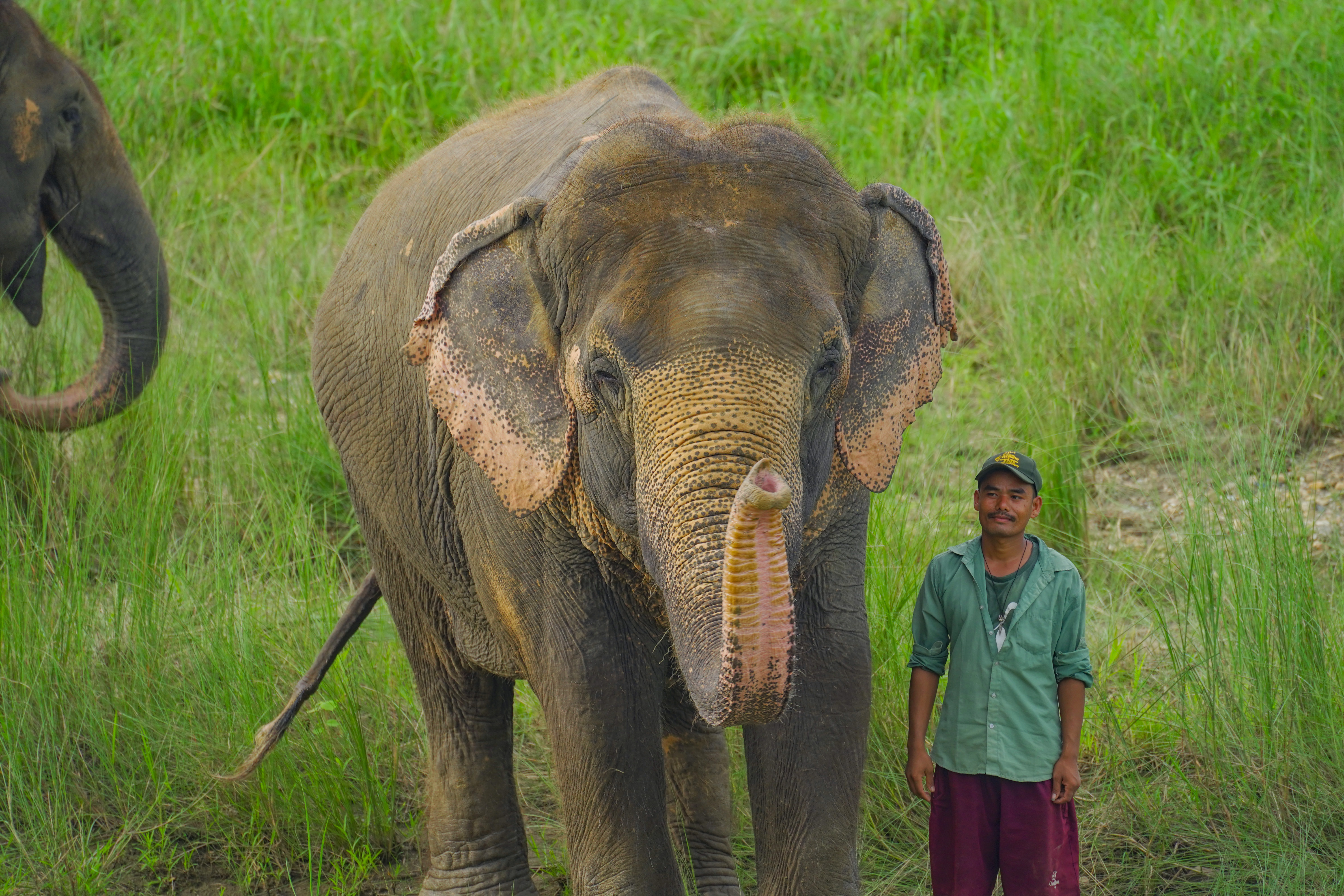
Srijana Kali — A Mother, A Survivor (Female)
Nearly 50 years old, Srijana Kali is the tallest and strongest elephant in our herd, but her story is about much more than strength. In her younger years, she endured a difficult life, kept in chains and used for elephant rides, even during pregnancy. Her journey reflects the hardships many working elephants have faced.
When we learned that Srijana Kali was at risk of being sold to buyers in India, Mr. Dhurba Giri stepped in to give her another chance. At Sapana Village Lodge, she found a place where her care and wellbeing could become a priority. After a pregnancy lasting around 22 months, she gave birth to Samrat Gaj, the beginning of a special new chapter for both mother and son.
Today, Srijana Kali remains an important member of our elephant family. She enjoys eating, spending time on the grassland and bathing in the river. Her story reminds us that every elephant deserves dignity, compassion and care throughout life.
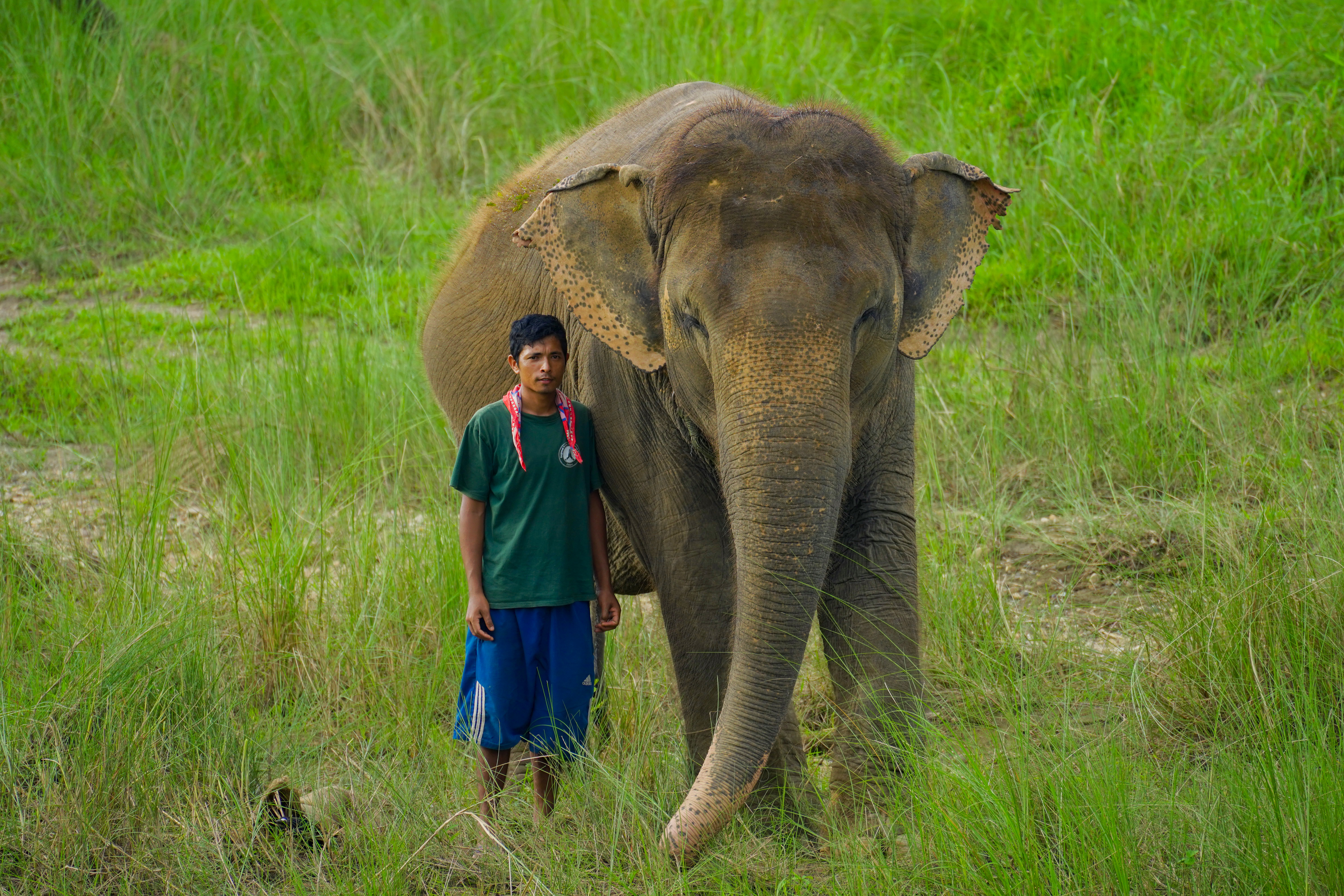
Chanchal Kali — Gentle by Nature (Female)
Her name means “restless” in Nepali, yet Chanchal Kali is known for her calm and gentle nature. At around 40 years old, she brings a quiet warmth to the herd and is valued for her friendly relationships with other elephants.
Chanchal Kali was once recognised as the most beautiful elephant in an elephant beauty contest, where judges appreciated her graceful walk, healthy nails and calm presence.
Today, she enjoys a more peaceful life at Sapana, spending time in her chain-free surroundings and cooling off in the river. Her story reminds us that an elephant's beauty lies not only in appearance, but also in the care and dignity she deserves.
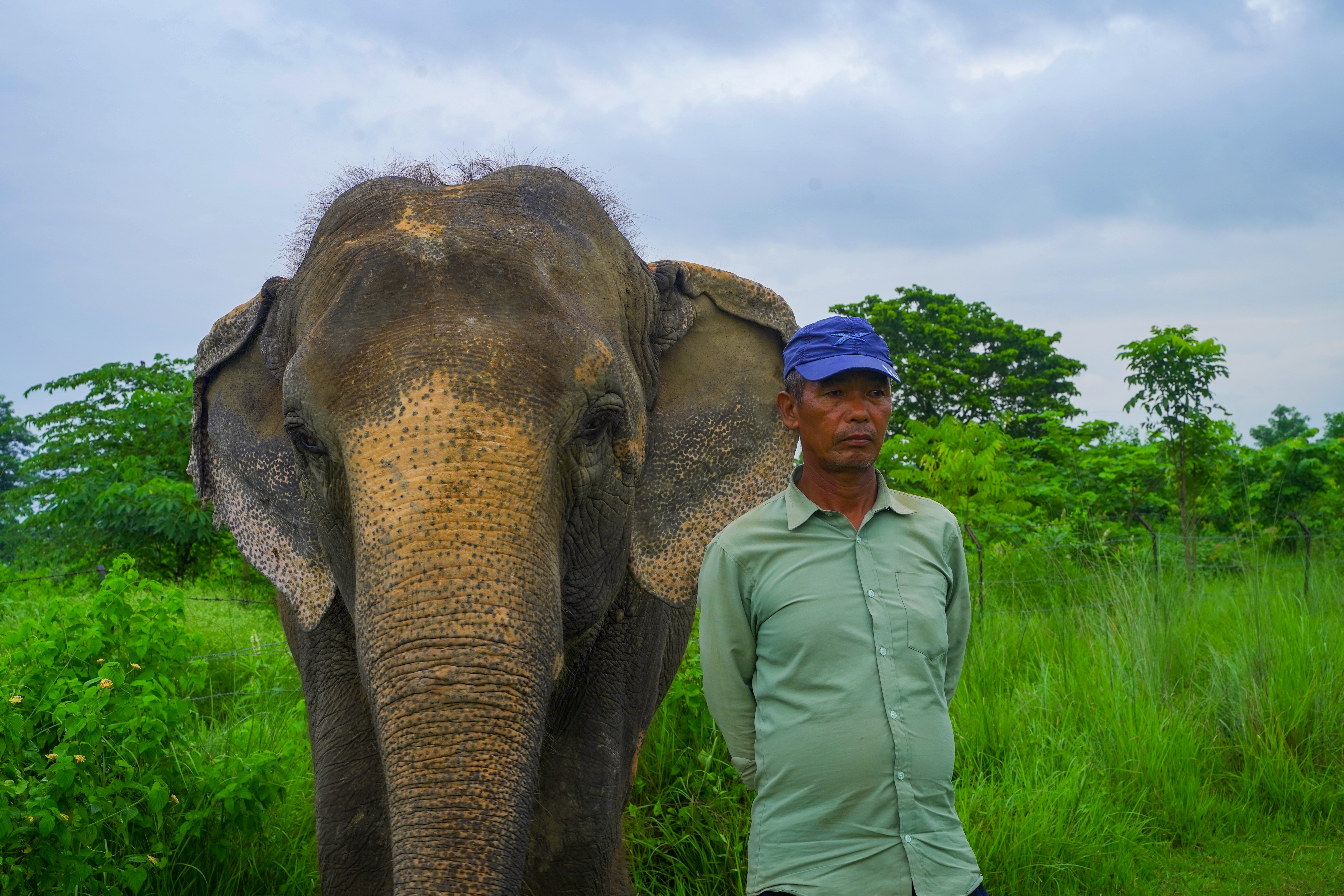
Champa Kali — A New Chapter (Female)
Around 45 years old, Champa Kali was the first elephant to become part of Sapana Village Lodge. Her name recalls the beautiful Champa flower, but her own story carries the marks of a difficult past.
For years, she carried tourists in a heavy wooden riding seat and spent much of her time in chains. Her experience reflects the hardships faced by elephants used in traditional safari tourism.
Today, Champa Kali enjoys a more peaceful routine, with access to chain-free living space, grassland for grazing and visits to the Budhi Rapti River. Her journey represents our commitment to treating elephants with greater respect, comfort and care.
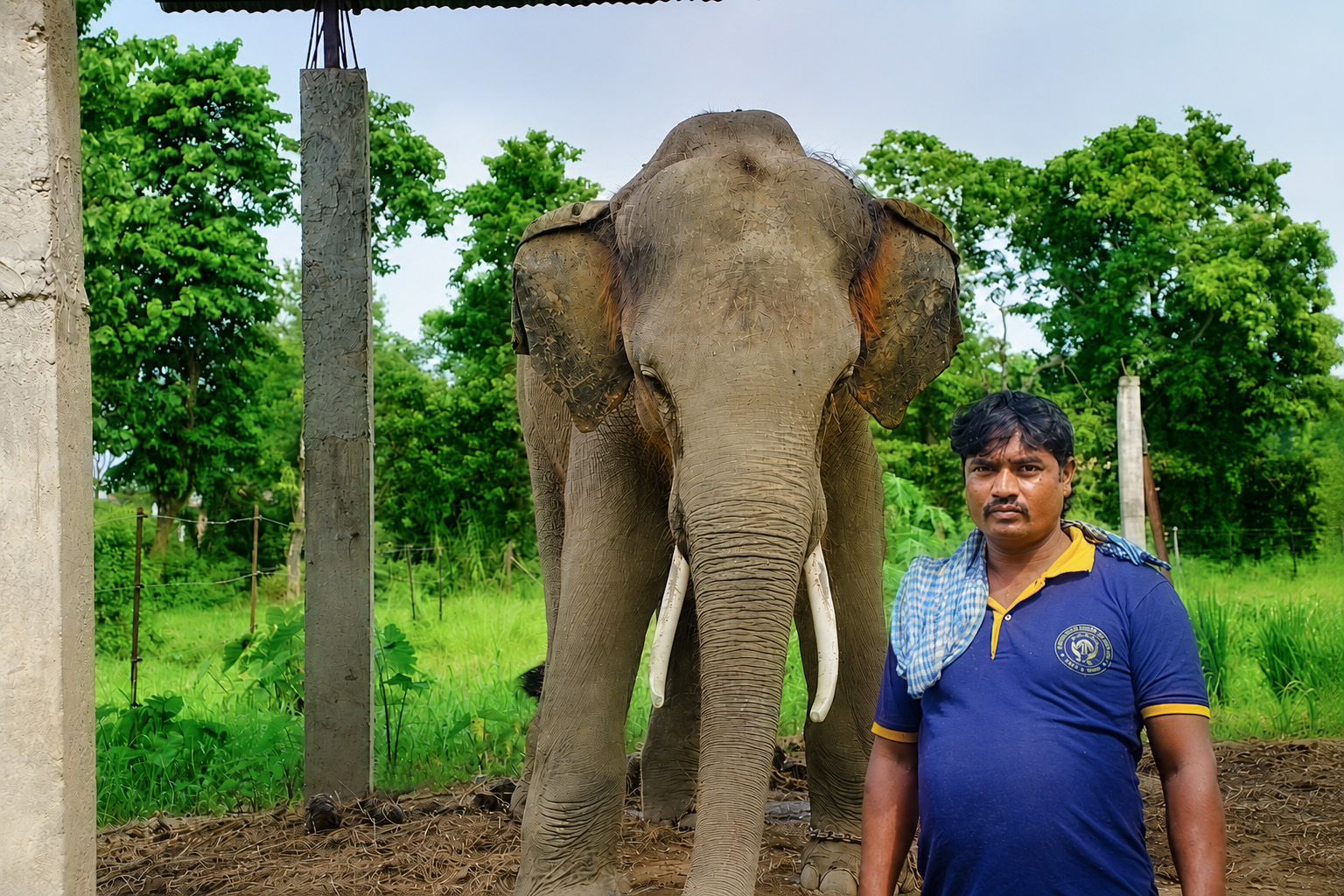
Samrat Gaj — A Story of Survival (Male)
Born on 9 January 2013 at Sapana Village Lodge, Samrat Gaj is the son of Srijana Kali and a wild male elephant named Ronaldo. His name, meaning “king”, was given during a traditional Hindu naming ceremony.
At just nine months old, Samrat became critically ill with elephant herpesvirus. With urgent efforts to obtain lifesaving medicine from India, Mr. Dhruba Giri helped him survive. His recovery remains an important chapter in Sapana's story.
As Samrat matures into an adult male, his behaviour and strength require careful management. We are working towards providing him with a dedicated, chain-free corral designed around his safety, space and individual needs.
Supporting Samrat means helping us meet the responsibilities of caring for an elephant whose needs change as he grows.
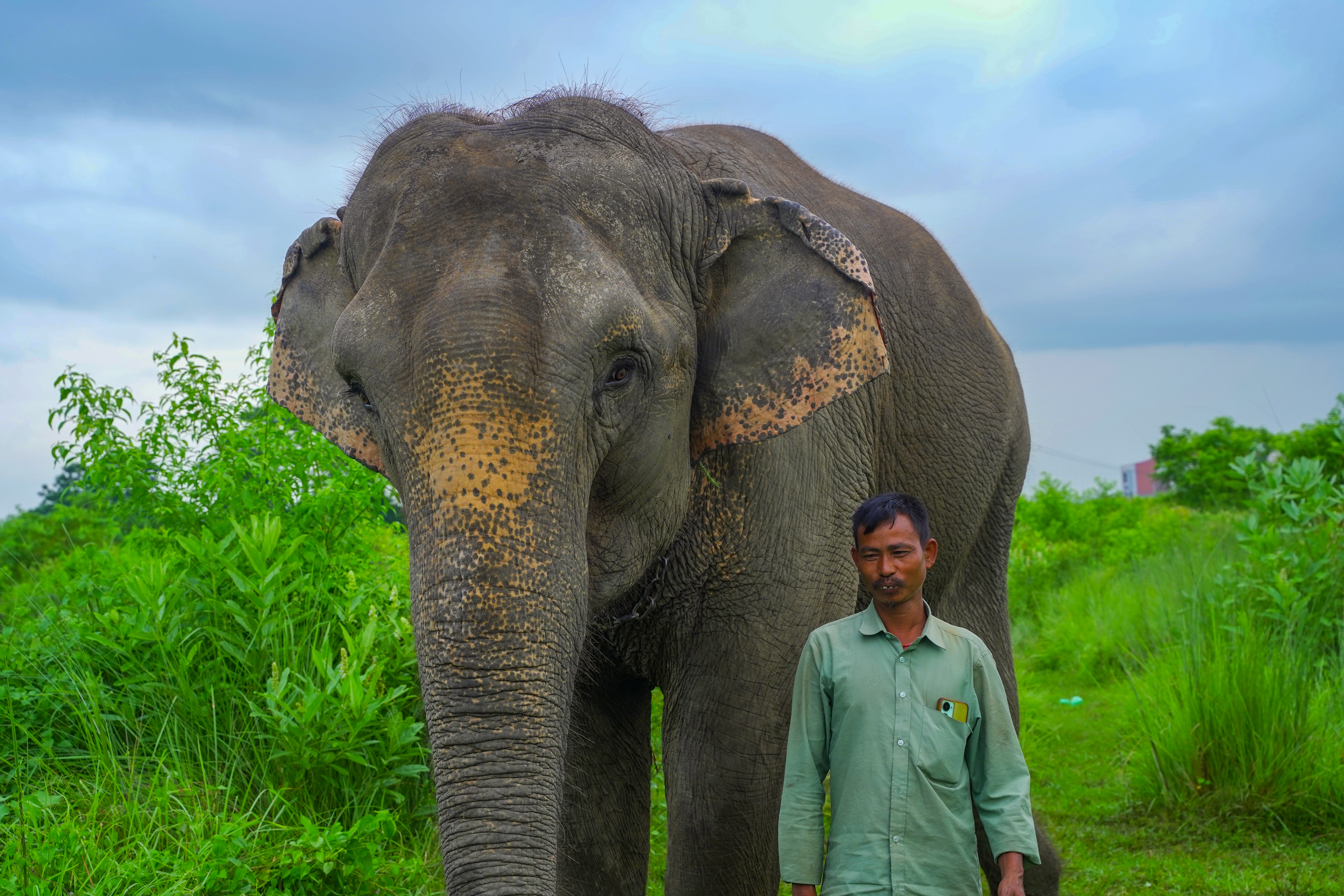
Maya Kali — A Journey Towards Comfort (Female)
In Nepali, “Maya” means love and affection. Around 29 years old, Maya Kali needs additional care because of her physical limitations and health history. Her story asks us to look beyond an elephant's appearance and recognise her individual needs.
Maya Kali spent years carrying tourists in a heavy wooden riding seat. She later suffered from tuberculosis and severe weakness in her hind legs. These experiences left her needing ongoing attention and support.
When she came to Sapana, adapting to life without chains was a new experience. With time, patient care and opportunities to interact with other elephants, she gradually adjusted to her surroundings.
Maya Kali's journey is a reminder that care does not end when an elephant leaves a working life. She deserves continued attention, comfort and dignity every day.